
Is Your AC Summer-Ready? What to Include in a Seasonal Tune-Up
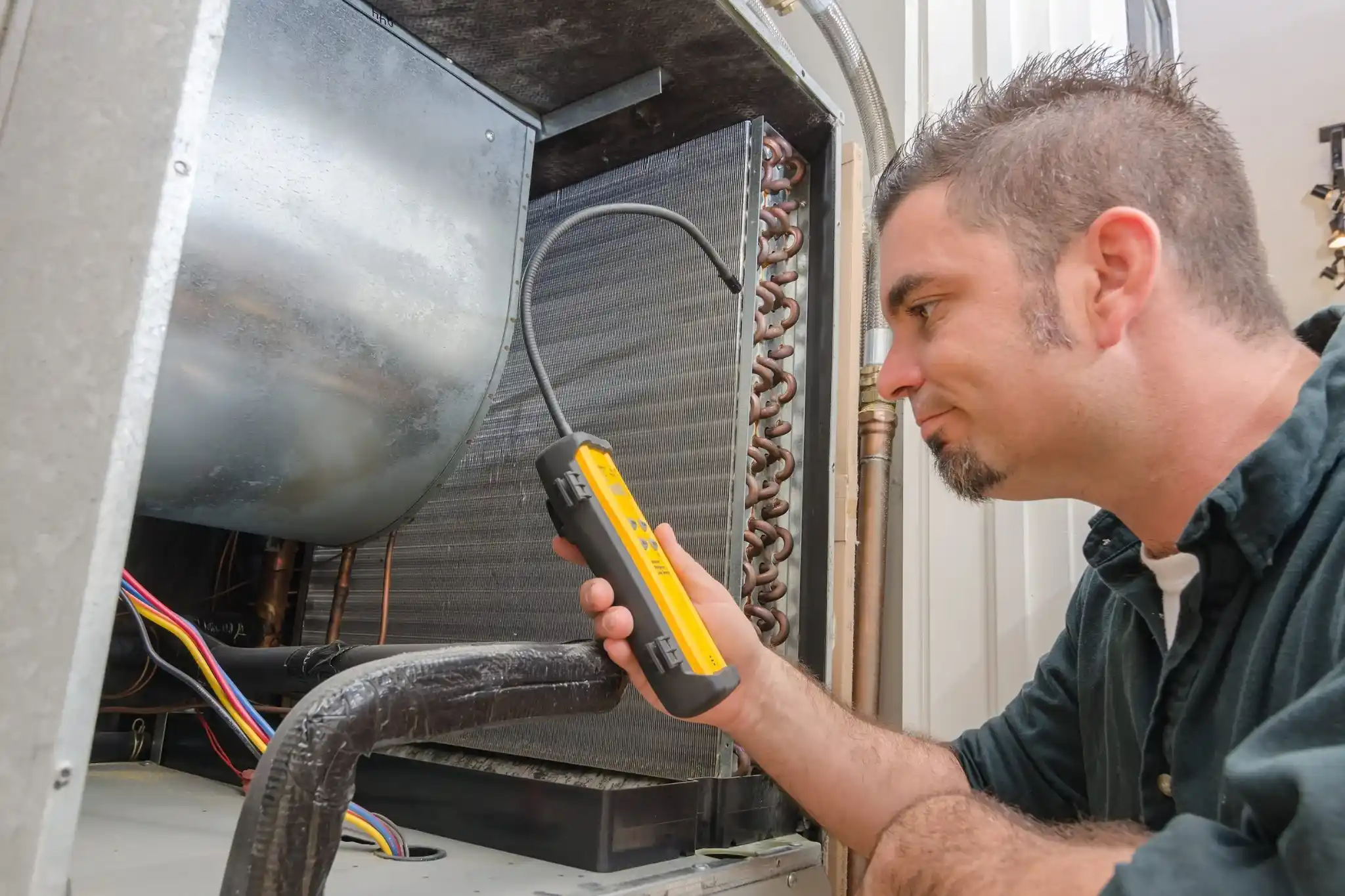
When summer arrives in Texas, your air conditioner becomes one of the hardest-working systems in your home. In Sugar Land and surrounding areas, soaring temperatures and heavy humidity can push AC systems to their limits fast. The last thing any homeowner wants is an unexpected breakdown during the hottest days of the year.
That’s why spring and early summer are the perfect times to schedule a professional AC tune-up.
At Custom Comfort Air, we believe preventative maintenance is one of the smartest ways to protect your comfort, improve efficiency, and help extend the life of your air conditioning system.
But what exactly should homeowners expect during a professional AC tune-up?
Let’s walk through a complete seasonal HVAC maintenance checklist and explain why each step matters before the Texas heat arrives.
Why AC Tune-Ups Matter Before Summer
Your air conditioner has likely been sitting mostly unused during cooler months. Over time, dust buildup, worn components, clogged drains, and low refrigerant levels can quietly develop without obvious warning signs.
When temperatures suddenly spike, your system is forced to work harder—and small problems can quickly turn into expensive repairs.
A professional AC tune-up helps:
- Improve cooling performance
- Lower energy bills
- Reduce the risk of breakdowns
- Extend equipment lifespan
- Improve indoor comfort
- Catch small issues before they become major repairs
- Help maintain manufacturer warranty requirements
In areas like Sugar Land, where AC systems often run for long stretches during summer, seasonal maintenance is especially important.
What’s Included in a Professional AC Tune-Up?
Not all tune-ups are created equal. A thorough inspection should go far beyond simply changing the filter.
Here’s what homeowners should expect from a comprehensive professional AC maintenance visit.
1. Thermostat Inspection & Calibration
Your thermostat acts as the command center for your cooling system. During a tune-up, technicians will:
- Test thermostat operation
- Verify accurate temperature readings
- Check programming settings
- Ensure proper communication with the HVAC system
A poorly calibrated thermostat can cause uneven cooling, short cycling, or unnecessary energy usage.
2. Air Filter Inspection & Replacement
Dirty air filters are one of the most common causes of airflow problems and reduced efficiency.
During your tune-up, the technician will:
- Inspect the current filter
- Replace or recommend replacement if needed
- Check for proper filter sizing
- Discuss ideal replacement schedules
Clean filters help improve airflow, indoor air quality, and overall system performance.
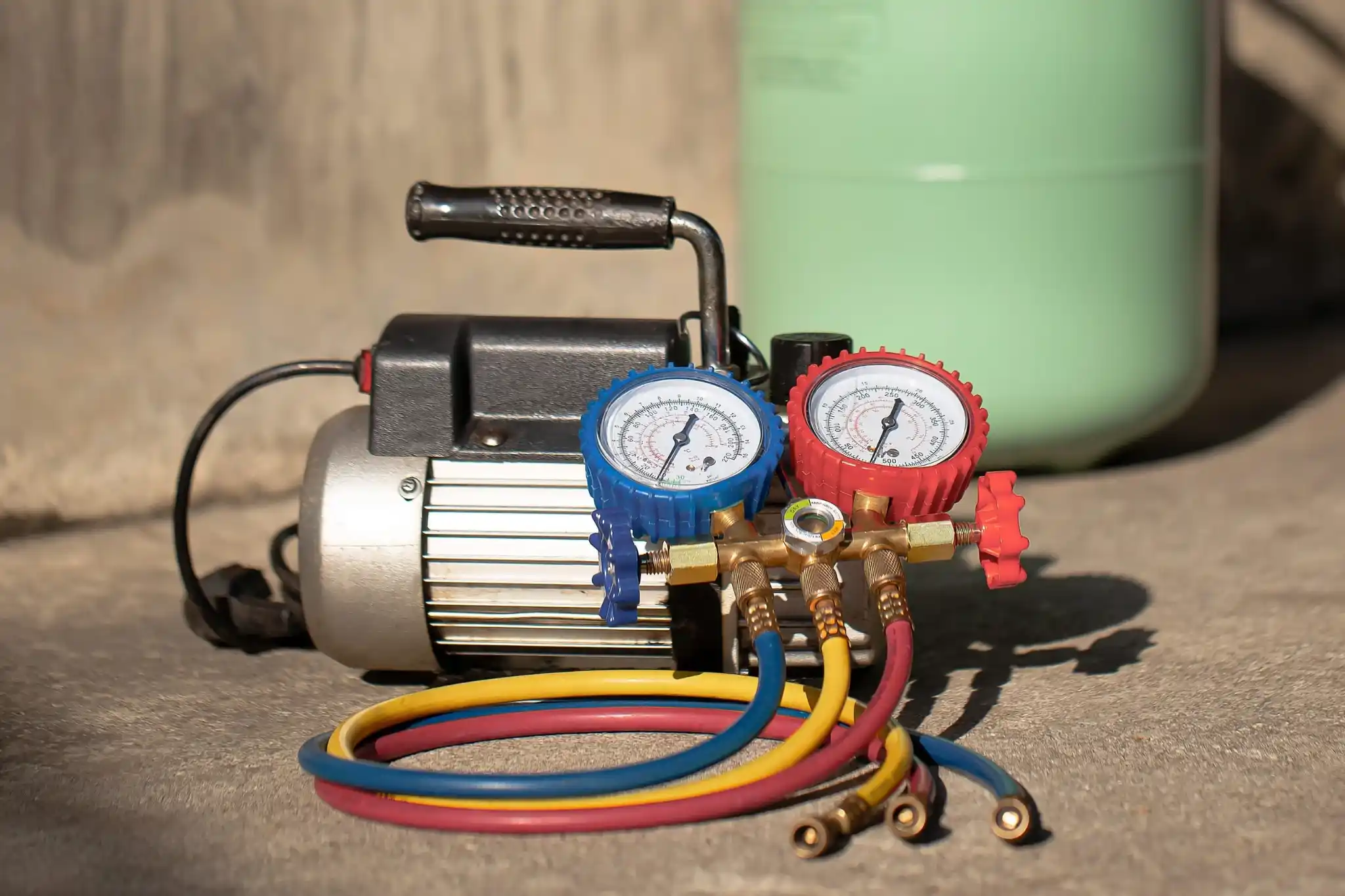
3. Inspecting Refrigerant Levels
Your AC system relies on refrigerant to absorb and remove heat from your home.
Low refrigerant levels may indicate a leak and can lead to:
- Poor cooling performance
- Frozen evaporator coils
- Higher utility bills
- Compressor damage
A professional technician will:
- Measure refrigerant pressures
- Verify proper charge levels
- Check for visible signs of leaks
4. Cleaning Condenser Coils
Your outdoor condenser unit is constantly exposed to dirt, leaves, grass clippings, and debris.
Dirty coils make it harder for your system to release heat, forcing it to work harder and use more energy.
A professional tune-up typically includes:
- Cleaning condenser coils
- Removing debris around the unit
- Inspecting coil condition
- Checking for airflow restrictions
This step alone can significantly improve system efficiency.
5. Checking Electrical Components
Air conditioners contain multiple electrical connections and components that can loosen or wear down over time.
Technicians will inspect:
- Capacitors
- Contactors
- Wiring connections
- Voltage and amperage readings
- Safety controls
Electrical issues are a common cause of summer breakdowns, especially during extreme heat.
6. Inspecting the Condensate Drain Line
Your AC system removes humidity from the air, and that moisture exits through the condensate drain line.
If the line becomes clogged, it can lead to:
- Water leaks
- Water damage
- Mold growth
- System shutdowns
A tune-up includes:
- Drain line inspection
- Clearing minor clogs
- Checking proper drainage flow
This is especially important in humid Texas climates.
7. Testing Airflow & System Performance
Proper airflow is critical for comfort and efficiency.
Technicians may:
- Measure airflow levels
- Inspect blower components
- Check evaporator coil condition
- Identify airflow restrictions
Poor airflow can make your system work harder while cooling your home less effectively.
8. Lubricating Moving Parts
Some HVAC systems contain motors and moving parts that require lubrication to reduce friction and wear.
Without proper lubrication:
- Components may overheat
- Energy usage increases
- Premature wear can occur
Routine maintenance helps protect these critical parts.
9. Inspecting Ductwork for Issues
Your ductwork plays a major role in overall comfort and efficiency.
During a maintenance visit, technicians may look for:
- Air leaks
- Poor insulation
- Loose connections
- Visible damage
Leaky ducts can waste a surprising amount of cooled air—especially in hot attic spaces.
10. Overall System Safety & Performance Check
Finally, technicians perform a full operational test to ensure your system is running safely and efficiently.
This includes:
- Measuring temperature differentials
- Monitoring system cycling
- Listening for unusual noises
- Identifying early warning signs of wear
The goal is to catch small problems before they become major mid-summer emergencies.
Signs Your AC May Need Service Soon
Even if your system is still running, don’t ignore these warning signs:
- Weak airflow
- Warm air coming from vents
- Rising energy bills
- Strange noises
- Musty odors
- Uneven cooling
- Excess humidity indoors
- Frequent cycling on and off
If you notice any of these symptoms, scheduling maintenance early can often prevent more costly repairs later.
How Often Should You Schedule AC Maintenance?
Most HVAC professionals recommend scheduling AC maintenance at least once per year—ideally in spring before temperatures climb.
Homes in hotter climates like Sugar Land may benefit even more from regular preventative maintenance due to longer cooling seasons and higher system demand.
Prepare Your Home for a Comfortable Texas Summer
Your air conditioner is a major investment—and routine maintenance helps protect it.
At Custom Comfort Air, our experienced team provides thorough AC tune-ups designed to keep your system operating efficiently, reliably, and safely throughout the Texas summer season.
Whether you need seasonal maintenance, AC repairs, or are considering upgrading to a more energy-efficient system, we’re here to help keep your home comfortable when temperatures rise.
Don’t wait until the first major heatwave hits.
Schedule your seasonal AC tune-up with Custom Comfort Air today and make sure your system is truly summer-ready.