
Why Is My AC Freezing Up? Causes & Fixes for Houston Humidity
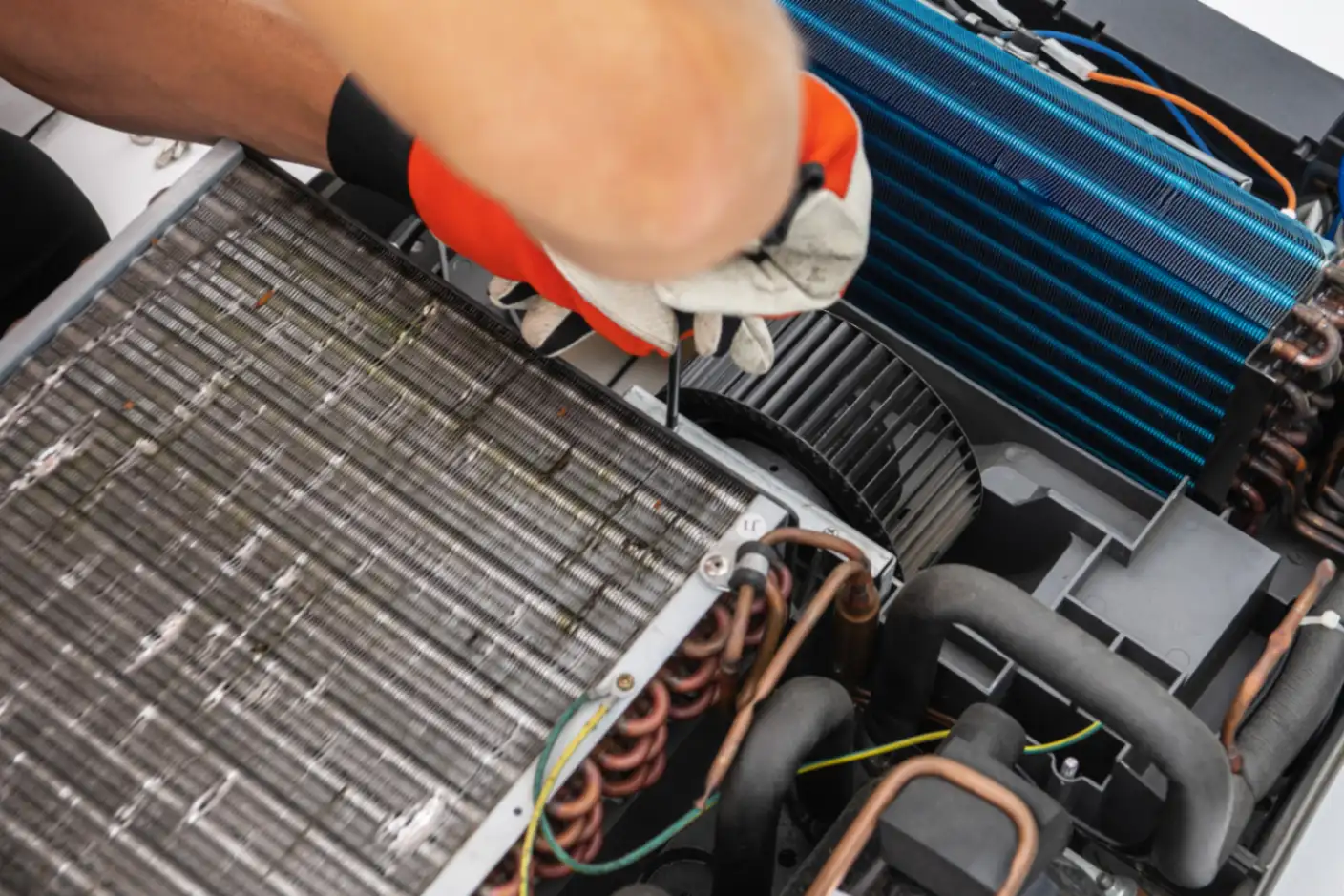
A frozen air conditioner can be frustrating, especially during Houston’s hot and humid summers when you rely heavily on your system for cooling and humidity control. If you notice ice on the refrigerant lines, weak airflow, or warm air, your AC may be freezing because of an underlying system problem. Restricted airflow, low refrigerant, dirty coils, and blower issues can all cause freezing. Understanding these causes helps you respond safely, avoid repeated breakdowns, and know when professional AC service is necessary.
Why Does an AC Freeze Up?
Your air conditioner removes heat from indoor air through the evaporator coil. As warm air passes over this cold coil, moisture condenses and normally drains through the condensate system. However, airflow, refrigerant levels, or coil performance issues can make the coil too cold. When its temperature falls below freezing, moisture can turn into ice. As ice builds up, it further restricts airflow and reduces cooling efficiency. Consequently, the system may struggle to maintain comfortable indoor temperatures.
How Humidity Contributes to AC Freezing
Houston’s humid climate adds more moisture to indoor air during cooling. Therefore, an excessively cold evaporator coil can collect substantial condensation before that moisture freezes. The cycle can progress from high humidity to condensation, ice formation, restricted airflow, and additional freezing.
Common Causes of AC Freezing Up in Houston
Air conditioners in Houston can freeze up for several reasons, including restricted airflow, refrigerant leaks, and equipment problems. Identifying the underlying cause helps prevent recurring ice buildup and cooling failures.
1. Dirty or Clogged Air Filter
A dirty air filter restricts airflow through the HVAC system and across the evaporator coil. As a result, less warm air reaches the coil. The coil can then become excessively cold and develop frost or ice. Therefore, inspect your filter regularly and replace it according to its specifications. Homes with pets, renovations, or heavy indoor dust may require more frequent filter changes.
2. Blocked Return or Supply Vents
Blocked vents can disrupt the airflow needed for proper cooling. Furniture, curtains, rugs, or other objects may obstruct supply registers or return grilles. Consequently, the evaporator coil may receive insufficient airflow and become too cold. Keeping vents open and unobstructed supports consistent air circulation throughout your home.
3. Low Refrigerant or a Refrigerant Leak
Low refrigerant can cause the evaporator coil pressure and temperature to drop below normal, allowing condensation on the coil to freeze. As ice builds up, it can further restrict airflow and reduce cooling performance. Refrigerant should not normally disappear during regular AC operation. Therefore, recurring low refrigerant may indicate a leak that requires professional testing and repair.
4. Dirty Evaporator Coil
Dust and debris can accumulate on the evaporator coil over time. This buildup can interfere with heat transfer and restrict airflow across the evaporator coil. Consequently, the coil may become excessively cold and contribute to freezing. Professional coil cleaning can help restore proper heat transfer and airflow when buildup becomes significant.
5. Blower Motor or Fan Problems
The indoor blower must move enough air across the evaporator coil during cooling. A failing blower motor, capacitor, control component, or related part can reduce airflow. Consequently, the coil may become colder than intended and develop ice. Professional testing can determine whether the blower assembly is operating at the required performance level.
6. Restricted or Damaged Ductwork
Ductwork problems can also reduce the airflow reaching your evaporator coil. Collapsed flex ducts, crushed sections, or significant restrictions can limit air movement through the system. Additionally, leaking return ducts can draw unwanted humid air into the system. Therefore, duct inspections can help identify airflow problems that contribute to repeated freezing.
7. Thermostat or Operating Conditions
Incorrect thermostat settings or unusual operating conditions can sometimes contribute to evaporator coil freezing. Cooling equipment can also freeze when operated during unusually cool outdoor conditions. Lennox notes that running air conditioning below approximately 60°F outdoors can contribute to freezing. Therefore, operating conditions should be considered when diagnosing recurring ice buildup.
Signs Your AC Is Freezing Up
Recognizing the warning signs early can help you address cooling problems before they worsen. If the symptoms persist, contact a professional. Look for these symptoms when your system behaves unusually:
- Ice or frost: Frost or ice on refrigerant lines can indicate an excessively cold evaporator coil in your cooling system.
- Indoor coil ice: Visible ice around the evaporator coil suggests significant freezing within the system.
- Weak airflow: Reduced airflow from supply vents can occur as ice restricts air movement.
- Warm air: Registers may deliver warm or less-cool air when the coil becomes heavily iced.
- Longer cycles: Your AC may run continuously while struggling to reach the thermostat setting because ice buildup is restricting airflow and reducing cooling performance.
- Water around the unit: Melting ice can create excess water near the indoor equipment.
- Unusual sounds: Hissing or bubbling may accompany certain refrigerant or system problems.
- Higher humidity: A struggling AC may remove less moisture from indoor air.
- Repeated shutdowns: The system may stop or struggle repeatedly when cooling performance deteriorates.
What to Do When Your AC Freezes Up
When you notice a frozen AC, taking the right steps can protect the system and help identify the problem. Start with these simple checks before restarting the equipment.
Turn Off Cooling
Switch off the cooling function at the thermostat and allow the system to stop operating. Continuing to run a frozen system can increase strain and worsen the underlying issue.
Let the Ice Thaw
Allow the ice to melt naturally before inspecting the system further. Never scrape, chip, or break ice from the evaporator coil or refrigerant lines.
Check the Air Filter
Inspect the air filter after shutting down the system. If it appears dirty or clogged, replace it with the correct filter for your equipment.
Check Airflow
Make sure supply registers and return grilles remain open and unobstructed. Move furniture, curtains, or other objects blocking airflow.
Monitor the System
After the ice completely melts, observe whether normal cooling and airflow return. If the AC freezing up happens again, professional diagnosis can identify the underlying cause.
Why Your AC May Freeze Again After Thawing
Thawing the ice restores airflow temporarily, but it does not necessarily correct the underlying problem. If a dirty filter caused restricted airflow, replacing it may prevent another freeze-up. However, recurring ice can indicate deeper issues that require professional diagnosis.
Low refrigerant can reduce evaporator pressure and cause the coil to become excessively cold. Similarly, blower motor problems, dirty coils, or duct restrictions can limit airflow and encourage new ice buildup. Therefore, repeated freezing means the underlying problem still needs attention. A qualified technician can inspect airflow, refrigerant levels, coil condition, and system components. Addressing the actual cause can help restore consistent cooling and reduce the risk of repeated AC freezing up.
When to Call for AC Repair in Houston
Call a professional when your AC freezes repeatedly or ice returns after replacing the filter. Weak airflow, warm air, water leaks, or suspected refrigerant problems also require attention. If the blower fails or your system cannot maintain the thermostat setting, avoid repeated restarts. Professional AC repair Houston service can identify the underlying issue and help prevent recurring freezing.
When You Need Emergency AC Repair in Houston
Houston’s extreme heat can make a cooling failure uncomfortable and potentially urgent. Consider emergency AC repair in Houston when your AC stops cooling completely or cannot maintain comfortable indoor temperatures. Turn off a frozen system first and allow the ice to thaw naturally. Then, arrange professional service if cooling does not return.
Why Is My AC Not Cooling in Houston?
A frozen evaporator coil can restrict airflow and reduce cooling performance. However, if your AC isn’t cooling your Houston home, there could be other issues contributing to the problem. Dirty filters, refrigerant issues, electrical faults, compressor problems, condenser airflow restrictions, thermostat issues, and duct problems can all affect cooling.
Is a Frozen Coil Causing Your AC Not to Cool?
Ice on the evaporator coil or refrigerant lines can restrict airflow. Allow the system to thaw before checking whether normal cooling returns.
How HVAC Technicians Diagnose a Frozen AC
A frozen AC needs more than ice removal. A technician checks the system to identify the root cause and prevent repeated freezing. The inspection may include:
- Air filter and airflow: Checking filters, supply vents, return grilles, and overall air movement.
- Evaporator coil: Inspecting the coil for ice, dirt, or restricted heat transfer.
- Blower operation: Testing the blower motor and related components for proper performance.
- Refrigerant system: Checking pressures and looking for possible refrigerant leaks.
- Thermostat and controls: Verifying accurate temperature readings and system operation.
- Ductwork: Looking for restrictions, damage, or significant air leakage.
- Drainage and electrical parts: Checking condensate drainage and essential electrical components.
This systematic approach helps determine why the AC freezes instead of simply treating the visible ice.
How to Prevent AC Freezing in Houston
Preventive care can reduce airflow problems, moisture issues, and equipment conditions that contribute to freezing. These simple practices can also support more consistent cooling.
Replace Filters Regularly
Follow the manufacturer’s replacement schedule and inspect your filter more often when dust levels are high.
Keep Vents Clear
Keep supply registers and return grilles open and free from furniture, curtains, and other obstructions.
Schedule Preventive Maintenance
Routine maintenance can identify dirty coils, airflow problems, refrigerant issues, and mechanical concerns before they worsen.
Maintain Proper Drainage
Keep the condensate drain system clear so moisture can leave the system properly during cooling.
Monitor Indoor Humidity
Controlling indoor humidity helps manage moisture loads and supports comfortable, efficient AC operation in Houston’s humid climate.
Conclusion
A frozen AC is usually a warning sign of an underlying airflow, refrigerant, coil, or mechanical problem. While basic steps can help the system thaw, repeated freezing requires proper diagnosis. Regular filter changes, clear vents, preventive maintenance, and humidity control can also support reliable cooling. If your system continues freezing or stops cooling properly, timely professional service can help restore comfort and prevent further problems.
Don’t Let a Frozen AC Leave You Sweating
Is your AC freezing up or struggling to cool your Houston home? Get professional help to find the cause, restore reliable cooling, and prevent the problem from returning.