
The Basics of HVAC Systems: A Comprehensive Guide for Beginners
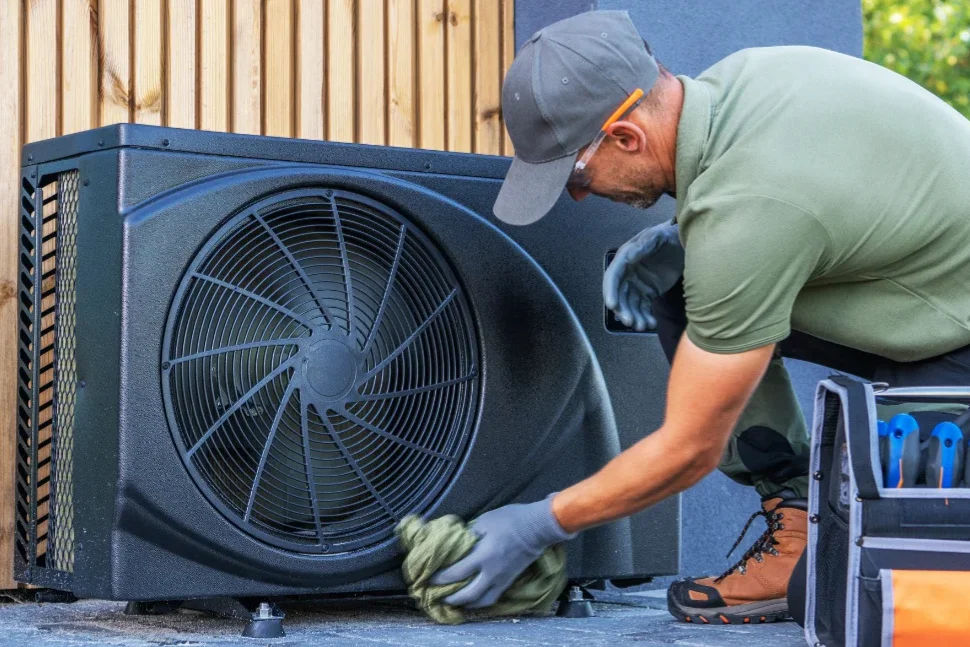
Indoor environments need consistent control over temperature, airflow, and air quality to remain comfortable throughout the year. This is made possible by integrated systems designed to manage these factors efficiently. In this guide, you’ll learn how HVAC systems work, what components they include, and how they maintain a stable indoor climate.
What is HVAC? The Three Pillars of Comfort
HVAC stands for Heating, Ventilation, and Air Conditioning. These are three distinct but interconnected functions that work together to create a comfortable indoor environment.
- Heating: Raises the indoor temperature during cold weather.
- Ventilation: Exchanges stale indoor air with fresh outdoor air, helping dilute pollutants, dust, and allergens.
- Air Conditioning: Removes heat and humidity from the indoor air to keep spaces cool and comfortable.
The Core Components
Most homes use one of these common setups:
- A central air conditioner + furnace system (cooling + separate heating)
- A heat pump system (one unit that does both heating and cooling)
Here’s a clearer comparison of the main components:
| Component | In AC + Furnace | In Heat Pump | Function |
| Thermostat | Yes | Yes | Control Center: Monitors indoor air and signals the system to cycle on/off. |
| Refrigerant | Yes | Yes | Thermal Medium: The chemical fluid that carries heat between indoor and outdoor coils. |
| Compressor | Yes | Yes | The Pump: Circulates refrigerant and increases its pressure to facilitate heat transfer. |
| Evaporator Coil | Yes | Yes | Heat Absorption: The indoor component where the refrigerant absorbs heat from your home. |
| Condenser Coil | Yes | Yes | Heat Release: The outdoor component where heat is exhausted into the environment. |
| Expansion Valve | Yes | Yes | Pressure Regulator: Cools the refrigerant by rapidly dropping its pressure. |
| Furnace | Yes | No* | Thermal Generator: Creates heat via combustion or electric resistance. |
| Reversing Valve | No | Yes | Flow Direction: Enables the system to switch between cooling and heating modes. |
Note: Heat pumps can replace both the air conditioner and furnace in many climates. In very cold regions, some homeowners use a dual-fuel (hybrid) system that pairs a heat pump with a furnace as backup.
How Cooling Works
Cooling isn’t about “adding cold” – it’s about removing heat. Heat naturally flows from warmer areas to cooler ones, and HVAC systems use a refrigerant (a special fluid) to move heat efficiently.
The Refrigeration Cycle (Step-by-Step):
- Heat Absorption: Warm indoor air is blown over the cold evaporator coil. The refrigerant inside absorbs the heat and turns from liquid into gas.
- Compression: The warm refrigerant gas travels to the outdoor unit, where the compressor squeezes it. This raises its temperature and pressure.
- Heat Rejection: The hot, high-pressure gas flows through the condenser coil. A fan blows outdoor air over the coil, releasing the heat outside.
- Condensation: As the refrigerant loses heat, it turns back into a liquid.
- Expansion: The liquid passes through the expansion valve, which rapidly drops its pressure and temperature, making it cold again, so the cycle can repeat.
How Heating Works
Heating methods differ depending on your system.
In a Furnace System:
- The thermostat calls for heat, igniting the burner (usually natural gas, propane, or oil) or activating electric elements.
- Combustion produces hot exhaust gases that pass through a heat exchanger.
- A blower fan pushes indoor air over the outside of the hot heat exchanger, warming the air without mixing it with exhaust fumes (for safety).
- The warm air is distributed through the ductwork.
In a Heat Pump System:
- The reversing valve changes the direction of refrigerant flow.
- Even in cold weather, outdoor air contains some heat energy. The system absorbs this heat from outside.
- The compressor raises the temperature of the refrigerant, and the heat is released indoors through the indoor coil (which functions as the condenser in heating mode).
- The blower distributes the warmed air.
Important: Modern cold-climate heat pumps perform well in freezing temperatures, but extremely cold areas may still need supplemental heat.
Ventilation: More Than Just Moving Air
Ventilation maintains indoor air quality by replacing stale indoor air with fresh outdoor air. Its primary function is air exchange, not air cleaning. Without ventilation, indoor air can become stale, allowing CO₂, pet dander, cooking odors, smoke, and Volatile Organic Compounds (VOCs) from paints, furniture, and cleaners to accumulate.
- Natural Ventilation: Opening windows and doors to allow fresh air to enter and circulate.
- Mechanical Ventilation: Systems that use fans and ductwork to exhaust stale air or supply fresh air in a controlled manner.
- Filtration: High-quality filters (such as MERV-rated filters and, in some specialized systems, HEPA filters) trap particles, pollen, and dust.
Advanced systems like ERVs or HRVs (Energy/Heat Recovery Ventilators) exchange indoor and outdoor air while recovering heat or cooling from the outgoing air, improving efficiency.
Shopping Smart: How to Select the Best HVAC System
Choosing the right system can feel complex, but this is where understanding HVAC basics becomes especially important for beginners. To find the best system, you need to balance upfront cost with long-term efficiency and reliability. Always get a professional Manual J load calculation to properly size the system for your home’s square footage, insulation, windows, and climate.
Key Efficiency Ratings
| Rating | Stands For | What It Measures | What to Look For |
|---|---|---|---|
| SEER2 | Seasonal Energy Efficiency Ratio 2 | Cooling efficiency over a typical season | Higher is better. Aim for 15+ (excellent: 18–20+) |
| HSPF2 | Heating Seasonal Performance Factor 2 | Heating efficiency for heat pumps | 8.5+ is good; 10+ is excellent for cold climates |
| AFUE | Annual Fuel Utilization Efficiency | How efficiently a furnace converts fuel to heat | 90–98% is high efficiency |
| BTU | British Thermal Unit | Heating or cooling capacity | Must match your home via proper load calculation |
Working with experienced professionals makes a measurable difference in system performance and longevity. Custom Comfort Air provides expert guidance, accurate system sizing, and reliable installation to help ensure your HVAC system operates efficiently from day one.
Conclusion
An HVAC system combines physics, pressure, and airflow to control indoor comfort. Understanding Heating, Ventilation, and Air Conditioning, along with key efficiency ratings such as SEER2, HSPF2, and AFUE, helps you make informed decisions.
A properly designed and maintained system improves comfort, manages moisture, and supports cleaner air. Focus on correct sizing, energy efficiency, and regular maintenance to ensure long-term performance and savings.
Install a High-Efficiency System Built for Your Home
Choosing the right HVAC system requires more than just picking a model. Ensure optimal performance with accurate sizing, expert installation, and energy-efficient solutions tailored to your space.