
How Much Does AC Replacement Cost in Sugar Land? (2026 Guide)
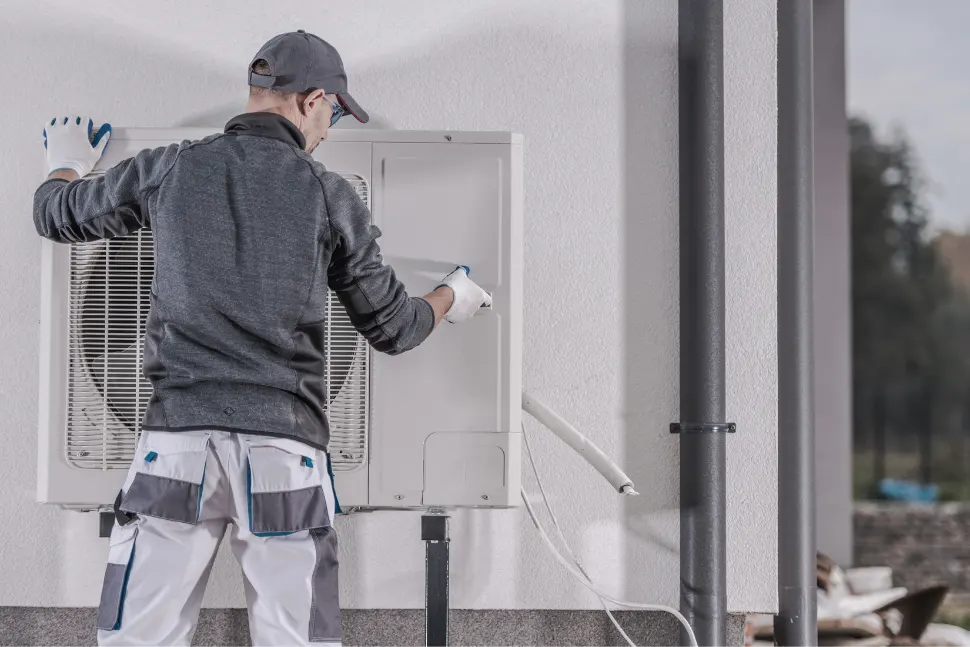
Sugar Land homeowners rely heavily on their air conditioning systems for much of the year. With long, hot summers and high humidity levels, a dependable AC system plays an important role in maintaining indoor comfort, managing humidity, supporting indoor air quality, and helping control energy costs. If your current system is struggling to keep your home cool, requires frequent repairs, or has reached the end of its expected lifespan, you may be wondering how much an AC replacement costs in 2026.
The answer depends on several factors, including the size of your home, the efficiency rating of the new system, installation requirements, ductwork condition, refrigerant technology, and whether additional upgrades are needed. In this guide, we’ll break down average AC replacement costs in Sugar Land and explain the key factors that influence your final investment.
Average AC Replacement Cost in Sugar Land (2026)
In 2026, a standard 3-ton AC replacement in Sugar Land commonly falls between $6,000 and $12,000, depending on equipment selection, installation requirements, and the condition of the existing HVAC system. Many professionally installed replacement projects in the area fall within the middle portion of that range, although actual costs can vary significantly from one home to another.
Homeowners choosing premium, variable-speed equipment with advanced comfort features, enhanced humidity control, and communicating technology may see total project costs exceed $18,000.
The following estimates represent typical installed costs for a complete residential AC replacement, including equipment, standard installation labor, removal of the old system, startup, testing, and commissioning.
| System Type | SEER2 Efficiency | Typical Installed Cost |
|---|---|---|
| Basic AC System (Single-Stage) | 14.3–15.2 SEER2 | $6,500–$9,000 |
| Mid-Range AC System (Two-Stage) | 16.0–17.5 SEER2 | $8,000–$12,000 |
| High-Efficiency System (Variable-Speed) | 18.0–19.5 SEER2 | $10,000–$15,000 |
| Premium System (Fully Communicating) | 20.0+ SEER2 | $13,000–$18,000+ |
Actual costs vary based on system size, equipment brand, home layout, ductwork condition, electrical upgrades, labor requirements, and overall installation complexity.
The estimates above generally assume replacement of the outdoor condenser and matching indoor evaporator coil. Projects that also include a new furnace, air handler, duct modifications, zoning equipment, or indoor air quality upgrades will typically cost more.
System Size
Air conditioners are sized in tons, and choosing the proper size is one of the most important factors in a successful replacement project. A system that is too large may short-cycle, leading to uneven temperatures and reduced humidity control. A system that is too small may struggle to keep up during periods of extreme heat and could run continuously during peak summer conditions.
General sizing estimates include:
| Home Size | Estimated AC Size |
| Up to 1,200 sq. ft. | 1.5–2 Tons |
| 1,200–1,800 sq. ft. | 2.5–3 Tons |
| 1,800–2,500 sq. ft. | 3–4 Tons |
| 2,500+ sq. ft. | 4–5 Tons |
These figures are only broad guidelines and should not be used as the sole basis for equipment selection. Professional HVAC contractors should perform a Manual J load calculation to determine the correct system size based on factors such as insulation levels, window orientation, ceiling height, air leakage, occupancy, local climate conditions, and home construction characteristics.
SEER2 Efficiency Ratings
The efficiency of an air conditioning system is measured using the SEER2 (Seasonal Energy Efficiency Ratio 2) rating, which is the current version of the SEER rating (older terminology) used to measure air conditioner efficiency. Higher SEER2 ratings generally indicate greater energy efficiency, which can lead to lower utility costs over time.
Most new residential systems installed today meet or exceed federal minimum efficiency requirements. While higher-efficiency equipment typically comes with a higher upfront cost, homeowners may benefit from improved comfort, quieter operation, and lower monthly energy consumption.
For homes that require significant cooling throughout the year, investing in a higher-efficiency system can sometimes help offset a portion of the initial cost through long-term energy savings.
Refrigerant Changes in 2026
One of the most significant developments affecting HVAC pricing in recent years has been the industry’s transition to lower-global-warming-potential refrigerants.
Beginning in 2025, new residential air-conditioning equipment sold in the United States began transitioning away from R-410A toward refrigerants such as R-454B and R-32 in response to federal environmental regulations. Most newly manufactured systems entering the market now use one of these newer refrigerants.
These updated refrigerants are designed to reduce environmental impact while maintaining cooling performance. However, the transition has also required manufacturers to redesign equipment, update safety features, modify production processes, and comply with new regulatory standards.
As a result, many contractors and industry organizations have reported higher equipment costs compared to many pre-2025 systems, which continues to influence AC replacement pricing in 2026.
Brand Selection
The manufacturer you choose can influence the overall project cost, although installation quality, proper sizing, and system design often have a greater impact on long-term performance than the brand name alone.
It’s important to remember that pricing can vary substantially within each manufacturer’s product lineup. In many cases, a high-end model from a budget-oriented brand may cost more than an entry-level system from a premium manufacturer.
Homeowners should compare warranty coverage, dealer support, efficiency ratings, available features, and contractor expertise rather than focusing solely on brand reputation.
Ductwork and Installation Requirements
Not every AC replacement is a simple equipment swap. The condition of the home’s existing ductwork can have a significant impact on total project cost and system performance.
Older ducts may have air leaks, poor insulation, improper sizing, or airflow restrictions that reduce efficiency and comfort. In some cases, contractors may recommend duct sealing, repairs, or partial duct replacement as part of the project.
Additional costs can also arise when electrical upgrades, condensate drainage improvements, new thermostats, return-air modifications, or code-related corrections are required. Homes with difficult attic access or unique installation challenges may also incur higher labor costs.
Permit Fees
Most municipalities require permits for HVAC replacement work to help ensure compliance with local building, electrical, and mechanical codes.
Permit and inspection costs are generally a relatively small portion of the overall project budget. Fees often range from approximately $50 to $300 for standard residential HVAC replacements, although actual charges vary depending on local jurisdiction requirements, project scope, and inspection procedures.
Working with a contractor who obtains the appropriate permits can help ensure the installation meets applicable code requirements and passes required inspections.
Available Rebates and Incentives
Before replacing your air conditioner, it’s worth asking your contractor about available incentives that may help reduce upfront costs.
Depending on equipment efficiency levels, utility provider programs, and current government initiatives, homeowners may qualify for:
- Federal energy-efficiency tax credits
- Manufacturer rebates
- Utility company incentives
- Local energy-efficiency programs
Eligibility requirements and funding levels can change over time, so homeowners should verify current program details before purchasing a new system.
Why Professional Installation Matters
While equipment selection is important, the quality of the installation often has a major impact on system performance, energy efficiency, and long-term reliability. Proper sizing, airflow design, refrigerant charging, duct evaluation, and commissioning can all affect how well a new air conditioning system performs over its lifespan.
Choosing an experienced HVAC contractor is equally important. Custom Comfort Air provides AC installation, replacement, maintenance, and indoor air quality services, helping homeowners select equipment that matches their comfort needs and budget. Professional installation helps ensure the system operates efficiently, delivers consistent comfort, and achieves its expected lifespan. In addition, contractors who handle their own installation and service work can often provide greater quality control and accountability throughout the project.
When comparing contractors, homeowners should verify licensing, insurance, warranties, installation procedures, financing options, and customer reviews before making a decision.
Final Thoughts
In 2026, most professionally installed residential AC replacement projects in Sugar Land typically cost between $6,500 and $15,000, while premium variable-speed and communicating systems may exceed $18,000. The final price depends on factors such as system size, efficiency level, equipment features, ductwork condition, installation complexity, and any additional upgrades required.
Factors such as system size, SEER2 efficiency rating, refrigerant technology, brand selection, ductwork condition, labor requirements, and overall installation complexity all influence the final cost. While replacing an air conditioner represents a significant investment, a properly sized and professionally installed system can improve comfort, enhance humidity control, reduce energy consumption, and provide dependable cooling for many years.
For the best results, obtain multiple written estimates, verify contractor licensing and insurance, request a Manual J load calculation, compare warranty coverage carefully, and evaluate the overall value of each proposal rather than focusing solely on the lowest price.