
What’s a Good SEER Rating and Why Is It Important?
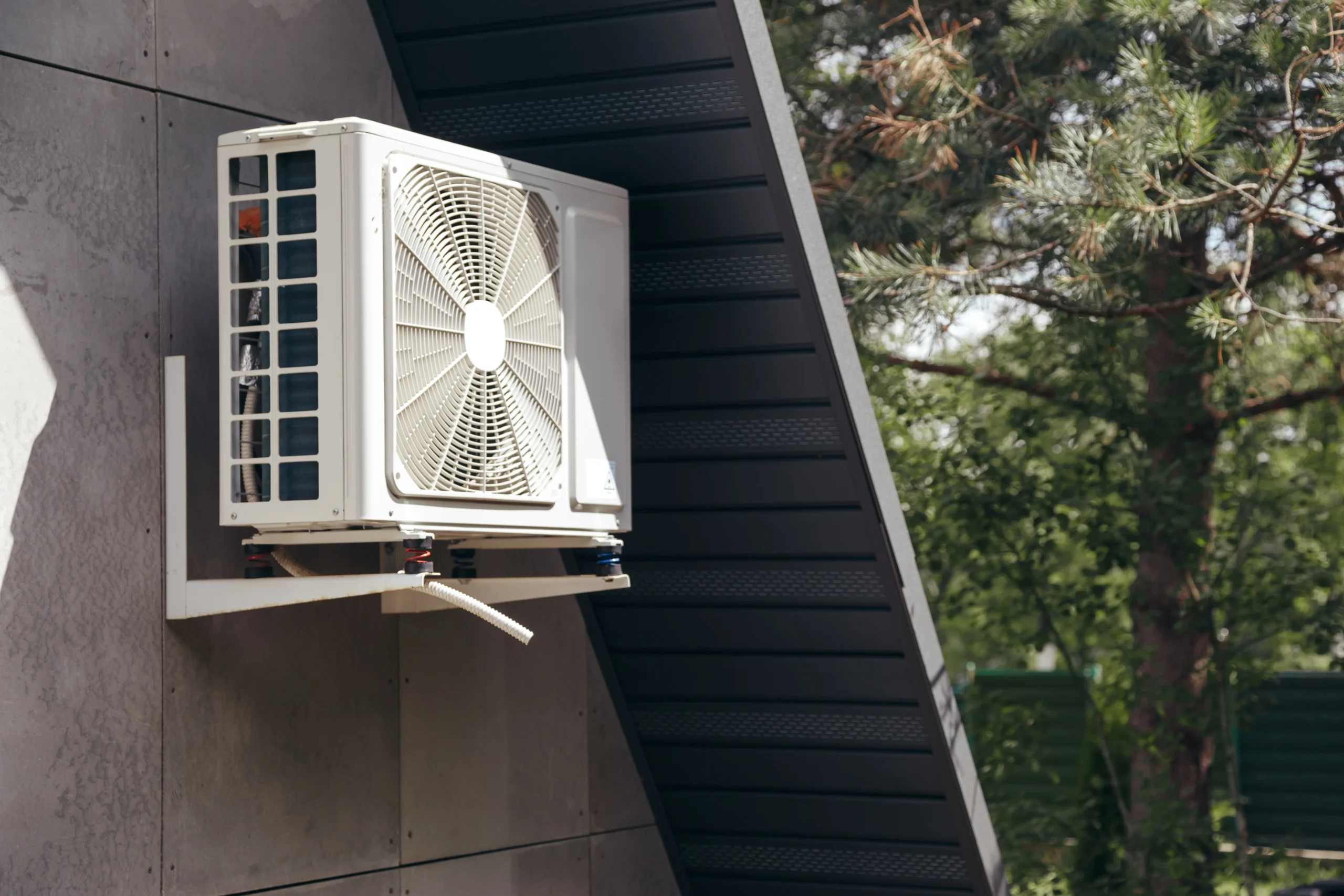
SEER, and today more often SEER2, measures how efficiently an air conditioner or heat pump cools your home over an entire cooling season. For heat pumps, heating efficiency is measured separately using HSPF2. This rating helps you understand the system’s efficiency, potential energy savings, and overall performance. A higher SEER means lower electricity use for cooling, which can reduce utility bills. Overall comfort and environmental impact depend not only on efficiency ratings but also on system design, installation quality, and usage patterns.
Understanding what counts as a “good” SEER rating is key to choosing a system that performs well and saves money year after year.
What Is SEER Rating and What Does It Mean for You
SEER (Seasonal Energy Efficiency Ratio) indicates how efficiently your system uses energy—the higher the rating, the greater the savings and performance benefits.
- Better Energy Efficiency – Uses less electricity to deliver the same cooling output.
- Lower Utility Bills – Can reduce energy costs over time.
- More Comfort – Can help improve temperature consistency and humidity control.
- Environmentally Friendly – Helps reduce energy use and carbon impact.
Today, most new air conditioners and heat pumps are rated using SEER2, an updated standard introduced by the U.S. Department of Energy. While SEER is still widely referenced, SEER2 provides a more accurate measure of real-world efficiency.
SEER Rating Guide
A well-planned AC installation starts with choosing the right SEER rating to balance cost and savings. This table is a general guide and does not represent specific minimum standards set by regulations. Efficiency requirements vary by region and system type, including different standards for air conditioners and heat pumps.
How Is SEER Rating Calculated?
SEER (Seasonal Energy Efficiency Ratio) is calculated by dividing the total cooling output of a system over a typical cooling season by the total energy it consumes during that time.
- Cooling Output is measured in BTUs
- Energy Used is measured in watt-hours
Formula:
SEER = Total Cooling Output ÷ Total Energy Consumption
Example:
Suppose an air conditioning system delivers 48,000 BTUs of cooling for every 3,000 watt-hours of electricity used over a measured period.
SEER = 48,000 ÷ 3,000 = 16
This means the system provides 16 units of cooling for each unit of energy consumed, indicating good energy efficiency.
This is a simplified example for illustration only. Official SEER and SEER2 ratings are determined through standardized testing procedures defined by industry organizations, which measure seasonal cooling output and total electrical energy consumption under controlled conditions.
Why SEER Rating is Critical: The Deep Dive
A SEER rating isn’t just a sticker on the side of the HVAC system; it’s a blueprint for how your home will function for the next 15 years. Here is a detailed look at why that rating carries so much weight.
1. The Financial Impact: Beyond the Monthly Bill
When you choose a higher SEER rating, you are investing more upfront to reduce long-term energy consumption and operating costs.
- Cumulative Savings: While a 13 SEER and an 18 SEER unit might feel the same on a 90°F day, the 18 SEER unit does that work using significantly less power. Over a decade, the 18 SEER unit can lead to significant long-term energy savings depending on usage and local rates.
- Protection Against Rising Rates: Energy costs rarely go down. Investing in a high SEER rating acts as a hedge against inflation. If electricity prices jump 10%, the homeowner with the efficient unit feels that “sting” much less than the one with a standard unit.
2. Variable-Speed Technology: The “Comfort” Factor
The most overlooked factor in indoor comfort is how the system operates—not just its efficiency rating.
- The Problem with Low SEER: Standard units are “single-stage.” They are either 100% on or 100% off. This leads to “clunky” cooling, where the house gets too cold, the unit shuts off, and then it gets humid and warm before the unit kicks back on again.
- The High-SEER Advantage: Many high-efficiency systems use two-stage or variable-speed compressors. These systems can operate at lower capacities for longer periods, helping maintain a more consistent indoor temperature.
- Whisper-Quiet Operation: Because these systems often run at lower speeds for longer periods instead of cycling fully on and off, they are generally quieter, both inside at the vents and outside.
3. Precision Humidity Control
In many climates, moisture—not just temperature—is a key comfort factor.
- System Design Matters: Many higher-efficiency systems use two-stage or variable-speed technology. These systems can run for longer periods at lower output, which improves overall temperature consistency. This benefit depends more on system design and runtime behavior than the SEER rating alone.
- Better Moisture Removal: Longer, lower-intensity cooling cycles allow the system to remove more moisture from the air. This can help maintain a more comfortable indoor environment without overcooling.
- Comfort at Higher Temperatures: When humidity is controlled effectively, you may feel comfortable at slightly higher thermostat settings, which can also reduce energy use.
4. Environmental Stewardship
For the eco-conscious homeowner, SEER is the primary metric for sustainability.
- Reduced Carbon Footprint: HVAC systems account for a massive portion of a home’s total energy consumption. By opting for a higher SEER, you can help reduce overall energy demand on power plants, many of which still rely on fossil fuels.
- Sustainable Infrastructure: As cities move toward “Green Building” standards, having a high-efficiency home makes your property future-proof against upcoming environmental regulations and energy audits.
5. Maximizing Your Return on Investment (ROI)
High SEER ratings can help offset higher upfront costs through available incentives and long-term energy savings. However, incentives and actual savings vary based on your location, climate, system type, utility rates, and household usage. Always verify current programs and eligibility with your HVAC contractor, tax professional, or local utility provider.
- Federal Tax Credits (Section 25C): Tax credits may be available for qualifying high-efficiency HVAC systems. Eligibility requirements, incentive amounts, and program timelines can change, so homeowners should verify current details with a tax professional or their HVAC contractor.
- Local Utility Rebates: Many utilities offer rebates for high-efficiency HVAC systems, but eligibility requirements and incentive amounts vary widely by location, system type, and program guidelines. Homeowners should verify current offers directly with their utility provider or HVAC contractor.
- Realistic Energy Savings: Upgrading to 18+ SEER/SEER2 can provide meaningful savings, but results depend on climate, home size, usage, rates, and proper installation. Typical 10-year savings often range from $1,000 to $5,000+, though not guaranteed.
SEER Ratings by Air Conditioning System Type
Choosing the right AC system isn’t just about features—it’s about efficiency across different options. Many people start by asking what a good SEER rating is for a mini split, but evaluating how it stacks up against central AC units and heat pumps leads to a smarter, more cost-effective decision.
Ductless Mini-Split Systems
Typical SEER: 18–30+
Ductless systems are designed for high efficiency and precise temperature control. A high ductless mini split SEER rating means lower energy consumption and better long-term savings. These systems avoid duct losses and allow zoned cooling, making a SEER mini split ideal for homes focused on performance and flexibility.
Central Air Conditioners
Typical SEER: 14–22
Central AC systems are the most widely used option for whole-home cooling. They distribute air through ductwork, providing consistent temperatures throughout all rooms. While efficient, some energy loss may occur through ductwork, which is why SEER ratings are typically lower for ducted systems than for ductless systems.
Heat Pumps
Typical SEER: 14–20+
Heat pumps provide both cooling and heating, making them a versatile, all-in-one solution. Their SEER rating reflects cooling efficiency, similar to central AC systems. High-efficiency models can help reduce energy use throughout the year, especially in moderate climates.
Packaged HVAC Systems
Typical SEER: 14–18
Packaged systems combine all components into a single outdoor unit, saving indoor space. They are commonly used in smaller homes or commercial settings. Their efficiency is comparable to standard central systems, but installation and maintenance are often simpler.
Conclusion
A good SEER rating depends on your budget, climate, and usage. For many homeowners, roughly 15–18 SEER2-equivalent performance can be a practical balance, but the right choice depends on climate, runtime, utility rates, ductwork, and how long you plan to stay in the home. Higher SEER systems can contribute to better comfort, especially when paired with advanced system design and proper installation. It’s also important to compare across system types—especially if you’re considering options like mini splits, which typically offer higher efficiency. In short, choosing the right SEER rating ensures consistent comfort, reduced energy costs, and better long-term value.
Upgrade Your HVAC System with Confidence
Whether you’re replacing an outdated unit or installing a new high-SEER system, expert guidance makes all the difference. Get access to top-quality products, certified installation, and dependable service designed to keep your home comfortable in every season.