
R22 Refrigerant Is Banned: What It Means for Bellaire’s Older AC Units
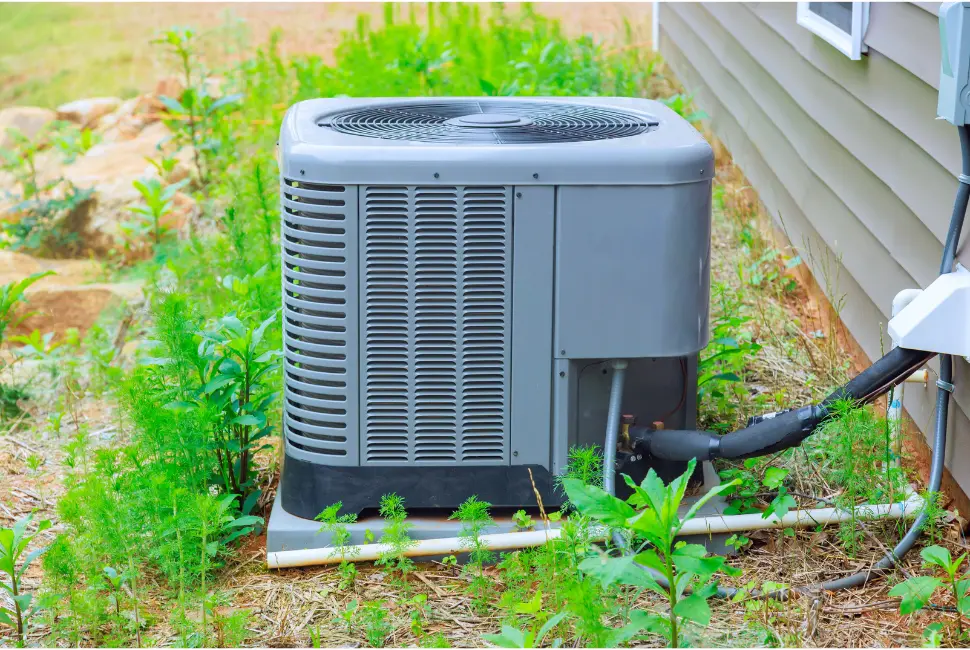
R-22 refrigerant once powered many older air conditioners in Bellaire homes. Today, its phase-out has changed how homeowners approach repairs, refrigerant replacement, and AC upgrades. Understanding what the R-22 phase-out means can help you make informed decisions about an aging cooling system.
What Is R-22 Refrigerant?
R-22 is an older refrigerant once commonly used in residential air conditioners. It transfers indoor heat outside, allowing your AC to produce cool air.
How R-22 Works in an Older AC
R-22 moves through the evaporator, compressor, condenser, and expansion device as part of the central air conditioning process. It absorbs indoor heat and releases it outdoors during the cooling cycle. R-22 is also commonly known as HCFC-22 and has been sold under the Freon brand name.
Why Was R-22 Phased Out?
R-22 contains chlorine that can contribute to ozone layer depletion. Therefore, U.S. regulations ended new R-22 production and imports in 2020. Existing R-22 systems can still operate. However, homeowners may face higher refrigerant costs and fewer service options as supplies become limited.
Is R-22 Really Banned?
R-22 is not completely banned for existing air conditioners. The U.S. ended new R-22 production and imports in 2020 due to environmental regulations. Existing R-22 systems can still operate and receive service. Recovered or reclaimed R-22 can also be used when needed. However, limited supply may make repairs and refrigerant replacement more expensive over time. So, a working R-22 AC doesn’t require immediate replacement. However, homeowners should consider future repair costs when planning for an older system.
How to Tell If Your Bellaire AC Uses R-22
Not sure which refrigerant your older AC uses? A few simple checks can help you find out.
Check the Equipment Label
Look for the refrigerant type on the label attached to your outdoor AC unit. It may list R-22 or another refrigerant designation.
Check the System’s Age
Older AC systems are more likely to use R-22. However, age alone cannot confirm the refrigerant type. Check the equipment label or ask an HVAC professional to verify it.
Ask an HVAC Professional
A qualified HVAC technician can verify the refrigerant type and inspect your system. Custom Comfort Air can help Bellaire homeowners understand their system’s condition and available service options.
What Happens When an R-22 AC Develops a Refrigerant Leak?
An R-22 leak can reduce cooling performance and make your AC run longer. Low refrigerant usually signals a leak that needs professional attention.
A qualified technician typically follows these steps:
- Locate the Leak: The technician checks the system for signs of refrigerant loss.
- Inspect Components: Accessible coils, connections, and refrigerant lines are examined.
- Repair the Leak: The technician repairs the leak when the repair is practical.
- Recover Refrigerant: Existing refrigerant is recovered when required during service.
- Evacuate the System: The system is properly evacuated before recharging.
- Recharge the System: Compatible refrigerant is added according to equipment requirements.
- Test Performance: The technician checks system operation and cooling performance.
Simply adding more refrigerant may not solve the problem. Find and repair the leak first.
What Are Your Options for an Older R-22 AC?
An older R-22 system does not always need immediate replacement. Your best option depends on its condition, repair needs, and long-term reliability.
Continue Repairing the Existing System
Repairing your existing AC may make sense when it still cools reliably and needs only minor repairs. However, consider future R-22 availability and potential service costs before continuing with repeated repairs.
Can You Use a Different Refrigerant in an Older AC?
An R22 refrigerant replacement may be an option for some systems. However, refrigerants are not automatically interchangeable. A qualified technician should confirm equipment compatibility before using any alternative refrigerant.
Replace the Entire AC System
Replacement may make more sense when your AC needs frequent repairs or major components fail. A new system can also provide improved efficiency and use newer refrigerant technology.
Should You Change the R-22 Refrigerant or Replace Your AC?
An older R-22 AC may not need immediate replacement. The right option depends on its condition, repair costs, and expected remaining service life.
| Factor | Alternative Refrigerant | AC Replacement |
|---|---|---|
| Best for | Certain existing systems that remain in good condition | Aging systems with frequent or major repair needs |
| Cost | Depends on refrigerant compatibility and required repairs | Higher upfront investment for new equipment |
| Equipment | Keeps the existing AC in service if the alternative is suitable | Replaces the existing cooling system |
| Refrigerant | Requires professional compatibility verification | Uses the refrigerant specified for the new system |
| Repairs | Existing components may still require maintenance | New equipment may reduce near-term repair needs |
| Long-term option | Depends on system condition and ongoing service costs | Provides a new cooling system with its own warranty terms |
When an Alternative Refrigerant Makes Sense
An alternative refrigerant may be suitable for certain existing systems. However, refrigerants are not universally interchangeable. A qualified HVAC technician must verify compatibility and applicable requirements before recommending an alternative.
When AC Replacement Makes Sense
Replacing the AC may be more practical when the system needs frequent repairs, develops recurring refrigerant leaks, or experiences major component failure. A new system may also offer improved energy efficiency, depending on the equipment selected.
The best decision depends on the system’s condition, the cost of continued repairs, and the expected value of keeping the existing AC.
When Should Bellaire Homeowners Replace an R-22 AC?
An older R-22 AC does not need replacement simply because of its age. However, repeated problems can make replacement the more practical choice.
Consider replacing your system when you notice:
- Frequent refrigerant leaks or repeated recharge needs
- Rising cooling costs and longer operating times
- Uneven temperatures or declining cooling performance
- Frequent repair calls or increasing service costs
- Major component or compressor failure
- Increasing costs for R-22-related service
- An aging system with declining reliability
Before replacing the unit, compare the repair cost, remaining equipment life, reliability, and replacement cost. This comparison can help you choose the most practical long-term solution.
Reviewing the signs your AC should be replaced can also help you recognize when replacement deserves consideration.
How R-22 Affects HVAC Repair Costs
R-22 service can become more costly because new production and imports ended in 2020. Existing systems now rely on previously produced, recovered, or reclaimed refrigerant. As availability changes, refrigerant and repair costs may also vary. Therefore, repeated leaks can make an aging R-22 system increasingly expensive to maintain. Instead of repeatedly adding refrigerant, consider having the system inspected. A professional can identify the problem and help you compare repair and replacement options, including the cost of fixing an AC unit
Why Professional R-22 Service Matters
R-22 systems require careful handling during inspection, repair, and refrigerant service. A qualified HVAC technician can identify the refrigerant and check the system for leaks.
A professional can also recover refrigerant properly and determine suitable service options. EPA requirements apply to technicians who service equipment containing HCFC-22.
Proper handling helps protect the environment and supports reliable AC performance. It also reduces the risk of incorrect charging or equipment damage.
Should You Repair or Replace Your R-22 AC?
Deciding between repair and replacement depends on your AC’s condition, repair history, and expected service life. Consider these factors before making a decision.
Repair May Make Sense When:
- The system still cools your home reliably.
- The required repair is relatively minor.
- Major components remain in good condition.
- You expect limited repair needs in the future.
Replacement May Make Sense When:
- Repairs are becoming frequent or costly.
- Refrigerant leaks continue to occur.
- A major component, such as the compressor, fails.
- The AC cannot maintain comfortable indoor temperatures.
- The system is nearing the end of its useful life.
Comparing repair costs with replacement costs can help you choose the more practical long-term option.
What Bellaire Homeowners Should Do Next
An older R-22 AC can still provide reliable cooling with proper care. However, knowing when to repair or replace it can prevent unexpected costs.
- Confirm the Refrigerant: Check whether your AC uses R-22.
- Schedule an Inspection: Have the system inspected when cooling performance declines.
- Check for Leaks: Find and repair leaks instead of repeatedly adding refrigerant.
- Compare Costs: Compare repair expenses with the cost of AC replacement.
- Discuss Options: Ask a qualified technician about compatible refrigerant options.
- Plan Ahead: Consider replacement when ongoing repairs become too expensive.
Conclusion
The R-22 phaseout does not mean Bellaire homeowners must replace a working AC immediately. However, aging equipment, refrigerant leaks, and rising repair costs can change that decision. Understanding your system’s condition helps you choose between continued repairs, compatible refrigerant options, or AC replacement. A professional evaluation can provide clear guidance and help you plan a reliable cooling solution.
Need Help With Your R-22 AC?
Not sure whether your older air conditioner is worth repairing? Custom Comfort Air can evaluate your system, explain your options, and help you make a confident decision about repairing or replacing your AC.