
Emergency AC Repair in Missouri City: What to Do When Your AC Quits
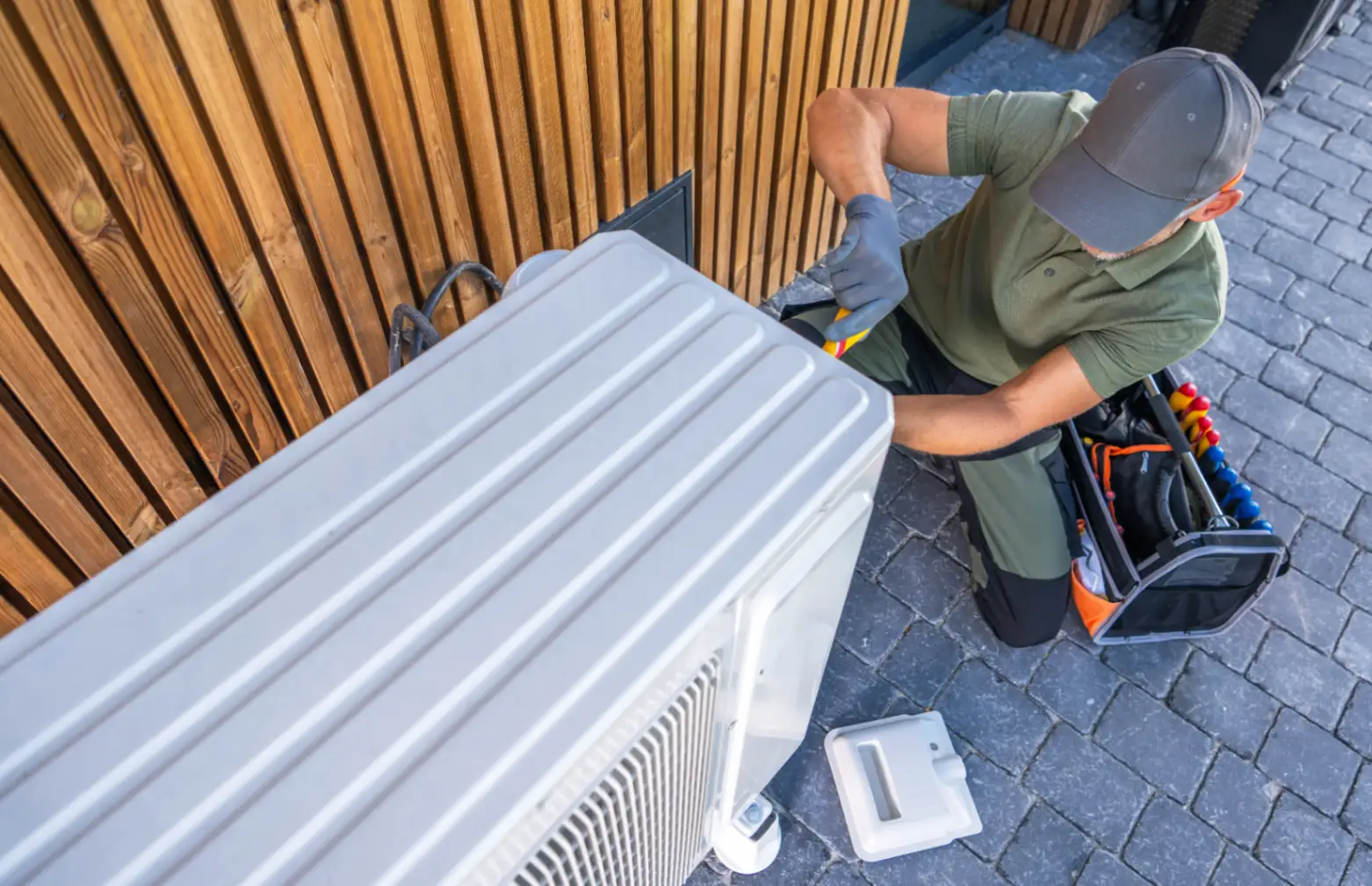
Texas summers can be relentless. When the outdoor temperature reaches the 90s°F (around 32–37°C), and the air becomes very humid in Missouri City, having a properly functioning air conditioning system is important to keep the inside of your home safe, cool, and comfortable.
If your AC suddenly stops working, indoor temperatures can climb quickly, making your home uncomfortable and potentially unsafe. While an unexpected breakdown can be stressful, taking a few simple troubleshooting steps before requesting emergency service may help identify minor issues and prevent unnecessary repair costs. However, some problems require immediate attention from a qualified HVAC technician. If your system won’t turn back on, scheduling professional AC repair is the safest solution.
In this guide, we will explain what to do when your AC stops working, how to safely troubleshoot common issues, and when it is time to contact a professional for emergency AC repair.
9 Steps to Take When Your AC Stops Working
Before you call for emergency service, go through these troubleshooting steps. Always prioritize safety: if something involves complex wiring or makes you uncomfortable, wait for a professional.
Step 1: Check Your Thermostat First
It may seem simple, but thermostat issues are one of the most common causes of HVAC system problems.
- Check the settings: Make sure the thermostat is set to Cool and Auto, not Fan, which only circulates air without cooling.
- Lower the temperature: Set the thermostat several degrees below the current room temperature to see if the system responds.
- Replace the batteries: If the display is blank, dim, or unresponsive, installing fresh batteries may restore normal operation.
Step 2: Inspect Your Circuit Breaker
Air conditioners use a significant amount of electricity. Power fluctuations, electrical issues, or a malfunctioning AC component can cause the circuit breaker to trip.
- Locate the electrical panel: Find your home’s breaker box, typically located in a garage, utility room, or on an exterior wall.
- Check for a tripped breaker: Look for the breaker labeled AC, A/C, or HVAC. A tripped breaker is usually positioned between ON and OFF.
- Reset it safely: Turn the breaker fully to OFF, then switch it back to ON.
- Know when to stop: If the breaker trips again right away, leave it off and contact an HVAC professional. Repeated tripping often indicates an electrical or mechanical issue that requires expert diagnosis.
Step 3: Check the Air Filter
A clogged air filter is one of the most common causes of AC performance issues. As dust, pet hair, and debris accumulate, airflow becomes restricted. This can reduce cooling efficiency, strain the system, and in some cases trigger safety controls that shut the unit down.
Locate the air filter in the return vent or indoor air handler and inspect it. If it appears heavily clogged or you cannot see light through it, replace it with a clean filter and check whether the system resumes normal operation.
Step 4: Look for a Frozen AC Unit
Restricted airflow or low refrigerant levels can cause the evaporator coil to drop below freezing. When this happens, moisture in the air freezes on the coil, reducing cooling performance and potentially shutting the system down.
- Signs of a frozen system: Look for ice on the refrigerant lines near the outdoor unit or excess water around the indoor unit as the ice begins to thaw.
- What to do: If you see ice, turn the thermostat to OFF and switch the fan setting to ON. This helps thaw the coil more quickly. Avoid running the AC while it is frozen, as doing so can damage the compressor and other system components.
Step 5: Inspect the Outdoor Condenser Unit
The outdoor condenser unit needs adequate airflow to release heat from your home. Take a quick look around the unit to ensure nothing is restricting airflow.
- Clear debris: Remove leaves, grass clippings, weeds, and other debris from around the unit. Maintain at least 2 feet of clearance on all sides whenever possible.
- Check for damage: Look for bent condenser fins, damaged panels, or signs that animals have chewed on wiring or insulation.
- Safety Note: Never remove access panels or reach inside the outdoor unit. Even when the system is turned off, electrical components may still present a shock hazard.
Step 6: Check for Drain Line Problems
As your AC cools your home, it removes moisture from the air. This condensation collects in a drain pan and exits through a PVC condensate drain line.
Missouri City’s warm, humid climate can encourage algae, mold, and debris buildup inside the drain line, leading to clogs. Many AC systems are equipped with a safety float switch that shuts the system down when water backs up, helping prevent water damage.
Check the drain pan near your indoor unit. If it contains standing water, a clogged condensate drain line may be the cause.
Step 7: Pay Attention to Unusual Sounds, Smells, or Leaks
Your senses can often provide valuable clues about AC problems:
- Sounds: Screeching, grinding, banging, or rattling noises may indicate worn bearings, loose components, fan issues, or motor problems.
- Smells: A burning or electrical odor can signal overheating components or electrical issues. Musty odors often point to mold or mildew growth within the system.
- Leaks: Refrigerant leaks may produce a faint hissing or bubbling sound, while water leaks can indicate drainage problems.
If you notice a burning smell, loud grinding noises, or other warning signs of a malfunction, turn the system off and contact an HVAC professional.
Step 8: Turn the System Off if Problems Persist
If you have completed these troubleshooting steps and your AC is still not cooling properly, turn the system off at the thermostat.
Avoid repeatedly attempting to restart a malfunctioning unit. Continuing to run an AC with an unresolved problem can place additional strain on critical components, potentially turning a minor repair into a much more costly one.
Step 9: Call an Emergency AC Repair Professional
If your troubleshooting efforts have not resolved the issue, it is time to contact a licensed HVAC technician. Before you call, gather as much information as possible to help speed up the diagnosis:
- The make and model of your AC system, if available.
- A clear description of what happened when the problem started (for example, “I heard a loud pop” or “the outdoor unit is running, but the air coming from the vents is warm”).
- Any signs of trouble you observed, such as ice buildup, water leaks, unusual noises, strange odors, or a tripped circuit breaker.
Quick Summary: Common Reasons an AC Suddenly Quits
The table below highlights some of the most common causes of an unexpected AC shutdown.
| Cause | What Happens |
|---|---|
| Thermostat Problem | Incorrect settings, dead batteries, or a malfunctioning thermostat prevent the system from turning on. |
| Tripped Breaker | An electrical issue or power surge interrupts power to the system. |
| Dirty Air Filter | Restricted airflow reduces performance and can lead to freezing or safety shutdowns. |
| Clogged Drain Line | Water backs up and may trigger a safety switch that shuts the system down. |
| Frozen Evaporator Coil | Ice forms on the coil due to airflow problems or low refrigerant levels. |
| Failed Capacitor | A faulty electrical component prevents the fan motor or compressor from starting properly. |
| Refrigerant Leak | Low refrigerant reduces cooling capacity and can eventually cause system problems. |
Tips to Prevent Future AC Emergencies
The best way to deal with an AC emergency is to reduce the chances of one happening in the first place.
- Schedule Regular Maintenance: Have your system professionally inspected and serviced at least once a year. Many homeowners choose spring AC maintenance and fall heating maintenance for year-round performance.
- Replace Air Filters as Needed: Check your air filter regularly and replace it according to the manufacturer’s recommendations. During periods of heavy use, many 1-inch filters require replacement every 30 to 90 days.
- Keep the Outdoor Unit Clear: Remove leaves, grass clippings, and debris from around the condenser. You can gently rinse the fins with a garden hose after turning off power to the unit.
- Address Problems Early: Unusual noises, weak airflow, rising energy bills, or longer cooling cycles can all indicate developing issues. Prompt repairs can often prevent a costly breakdown later.
Why Local Emergency AC Repair Matters in Missouri City
When your air conditioner stops working during a Missouri City summer, timely service is essential. Choosing a local HVAC company offers several important benefits:
- Faster Response Times: Local technicians are often able to respond more quickly, helping restore comfort before indoor temperatures become excessively high.
- Knowledge of Local Conditions: Missouri City’s heat and humidity place significant demands on air conditioning systems. Local HVAC professionals understand the common issues that affect systems operating in these conditions.
- Emergency Availability: Many local HVAC companies offer 24/7 emergency service, ensuring help is available when unexpected breakdowns occur outside normal business hours.
- Familiarity with Local Homes: Experienced local technicians have worked on a wide range of systems throughout the area and can often diagnose common regional HVAC issues more efficiently.
Dealing with an unexpected AC breakdown is never fun. Custom Comfort Air helps Missouri City homeowners get things back to normal with dependable, local HVAC repairs. When the Texas summer gets intense, having a friendly, experienced team on your side makes a world of difference.
Conclusion
If your air conditioner suddenly stops working, don’t panic. Start with the basics: check your thermostat settings, inspect your air filter, and look at your circuit breaker panel.
However, if you spot ice on the lines, smell electrical burning, or if resetting the breaker doesn’t solve the issue, prioritize your family’s safety. Turn the system off at the thermostat and contact a trusted, licensed emergency AC repair company right here in Missouri City to get your home cool and safe again.